Some of the images that were present at the Feared and Revered exhibition in Canberra Australia:
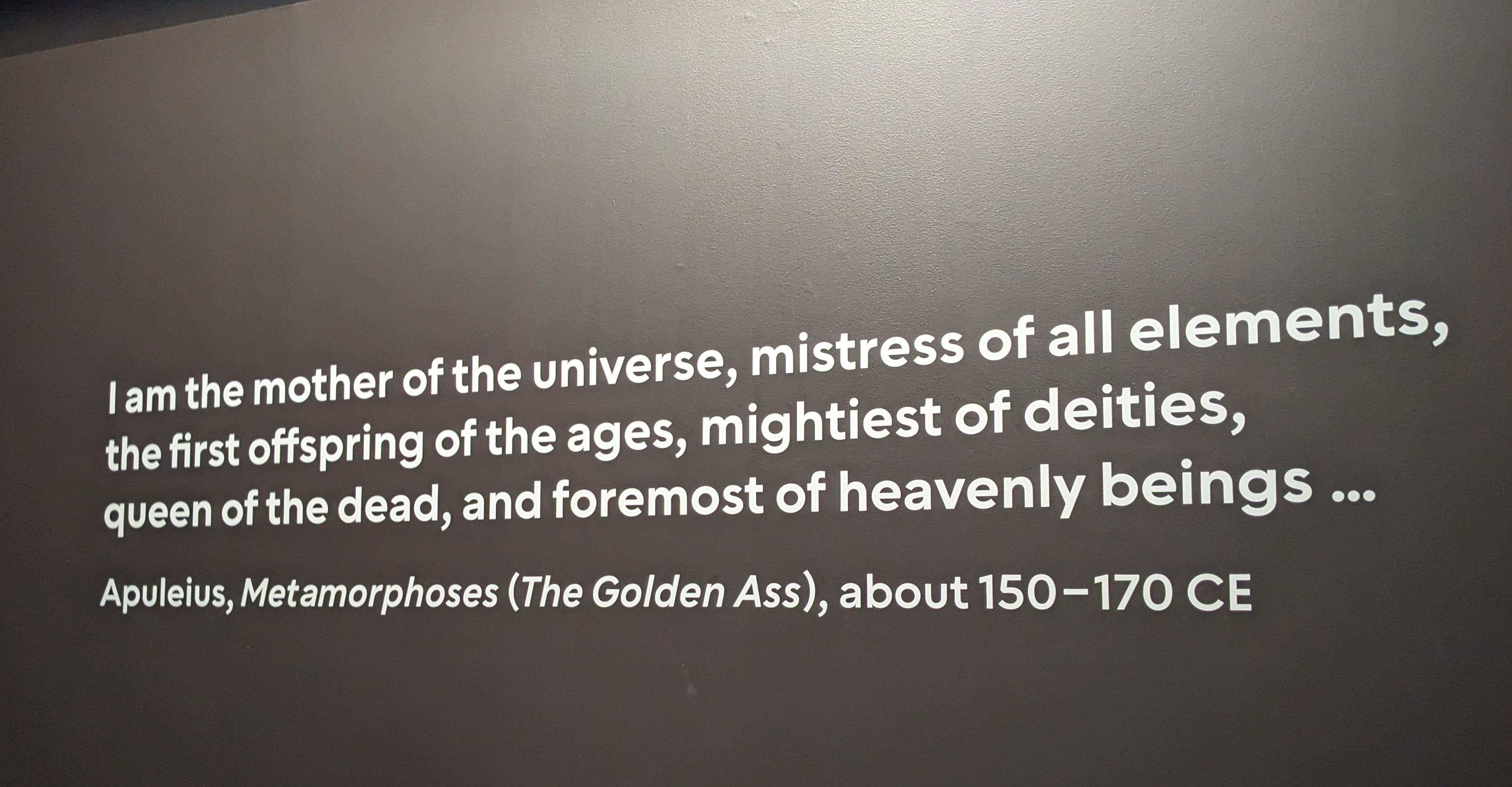
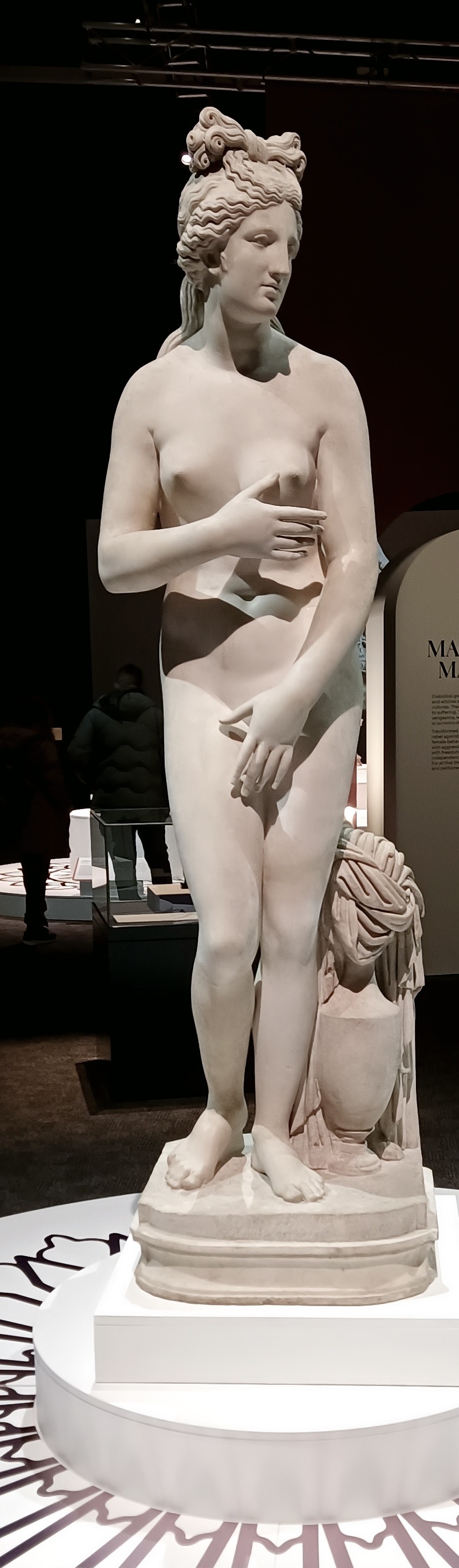
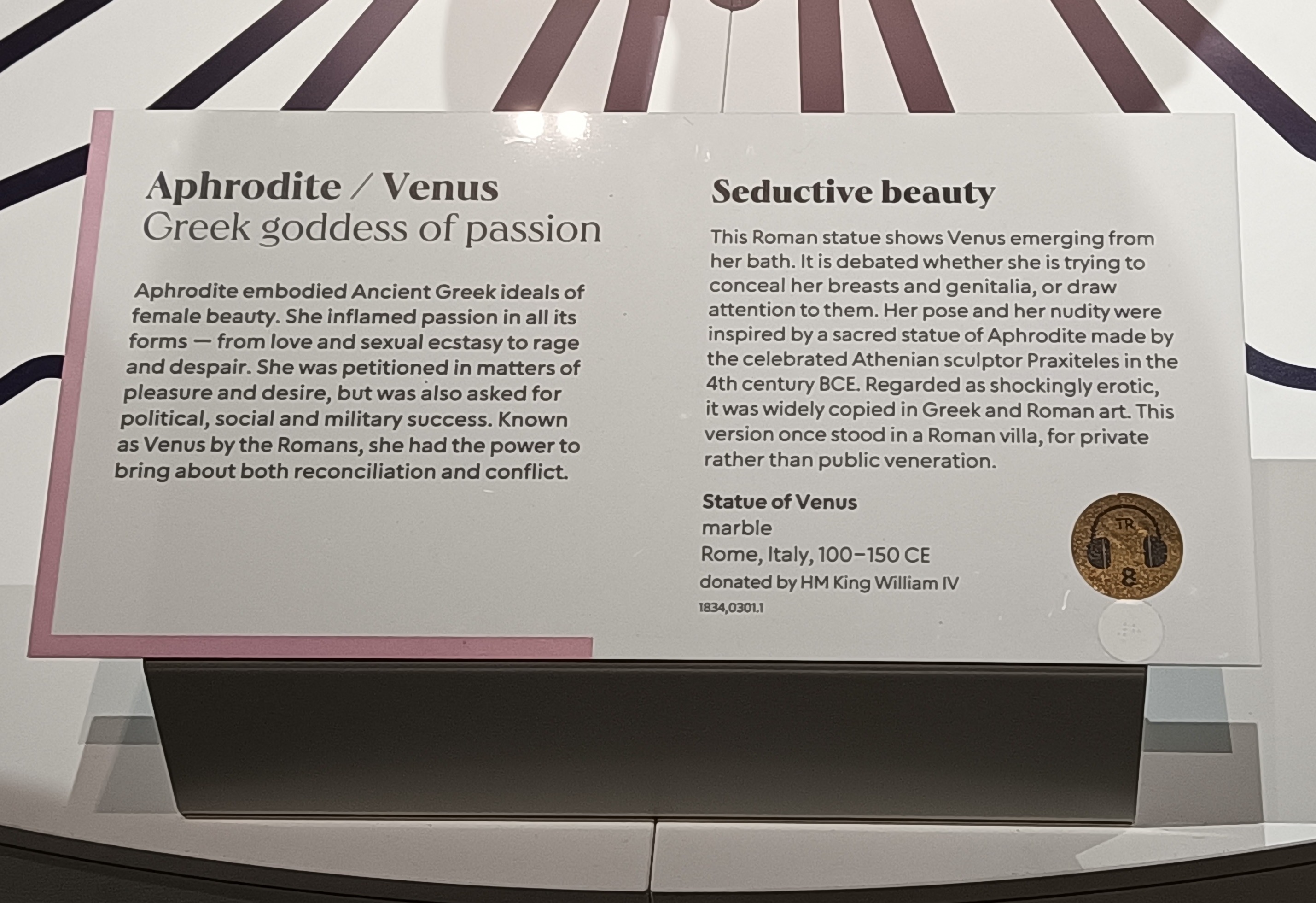
In the Orphic Hymns Aphrodite is praised in this way:
“For all things are from you
Who unites the Cosmos.
You will the three-fold fates.
You bring forth all things.
Whatever is in the Heavens.
And in the much fruitful earth
And in the deep sea.”
In PaGaian Cosmology Aphrodite is understood to embody the primordial, essential and ecstatic power of allurement/attraction, of erotic power: a power that holds all things in form and unites the Cosmos, the “glue” that allows and brings forth the Dance of Life. Nothing happens without this primary power, and I write it as Allurement, inspired by Brian Swimme’s naming of it as a power of the Universe.
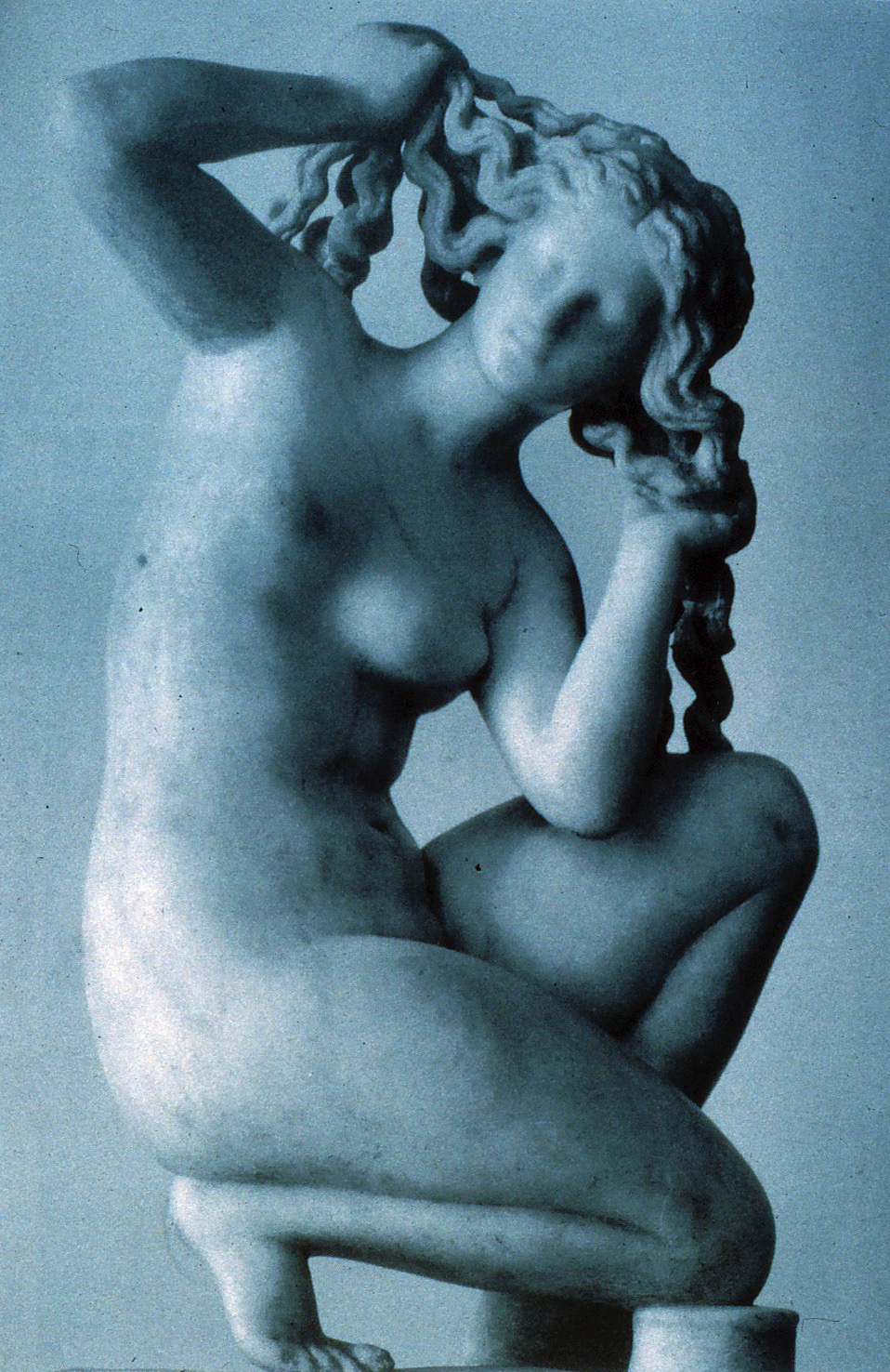
Here is a different image of Aphrodite, from Hallie Iglehart Austen’s The Heart of the Goddess :
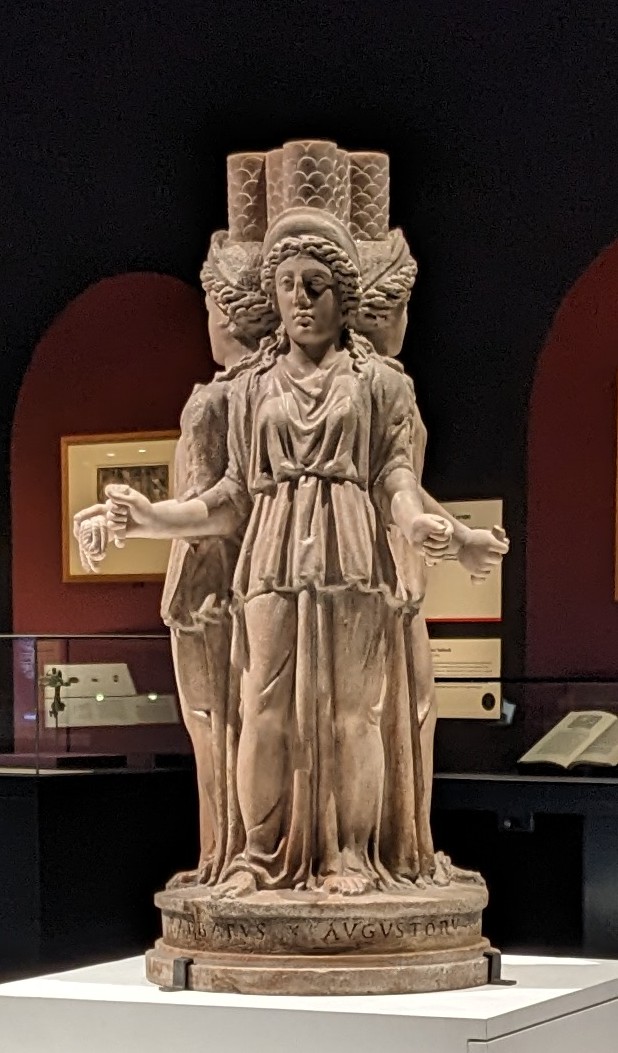
Loved seeing Hecate
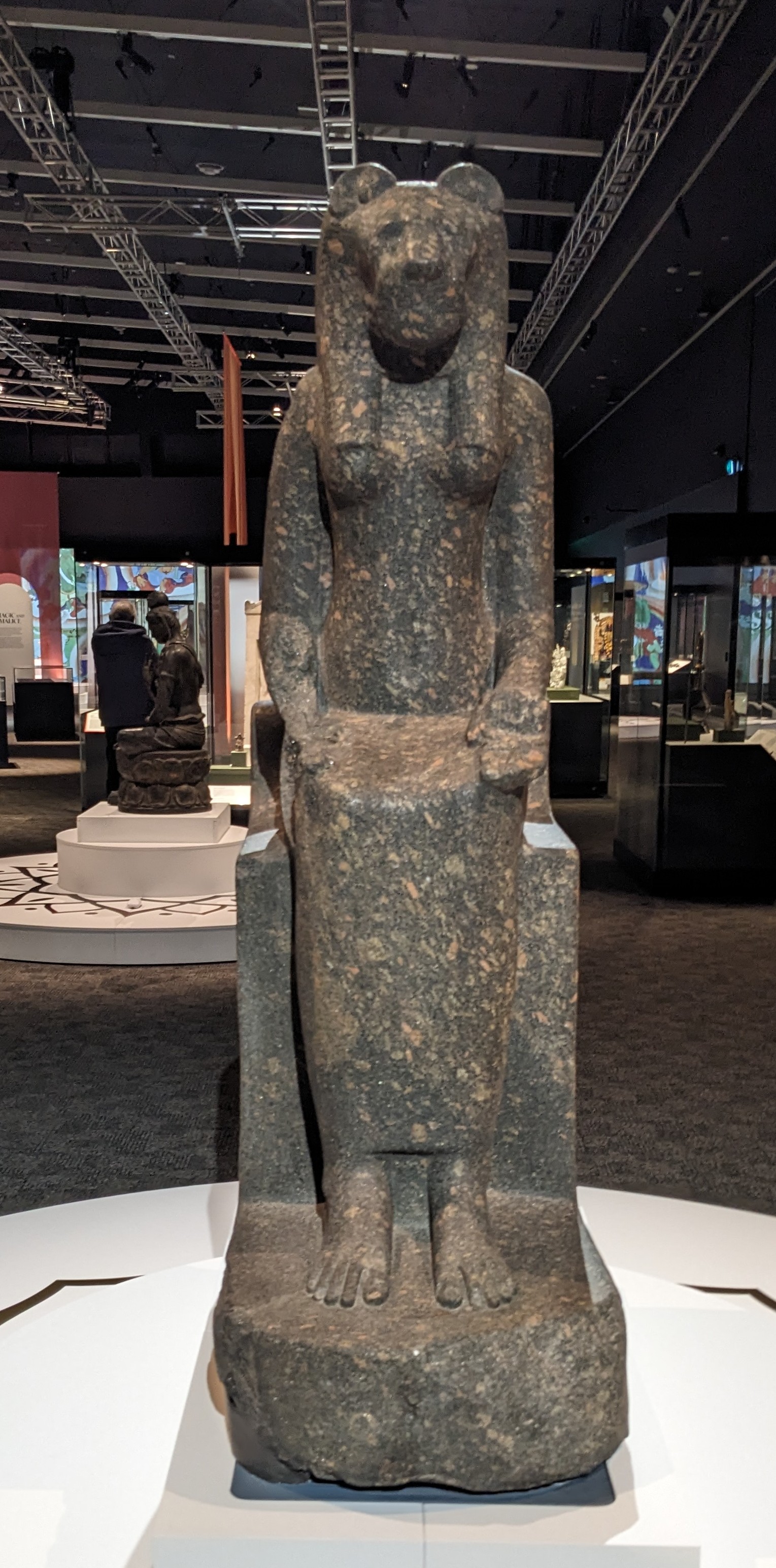
and Sekhmet
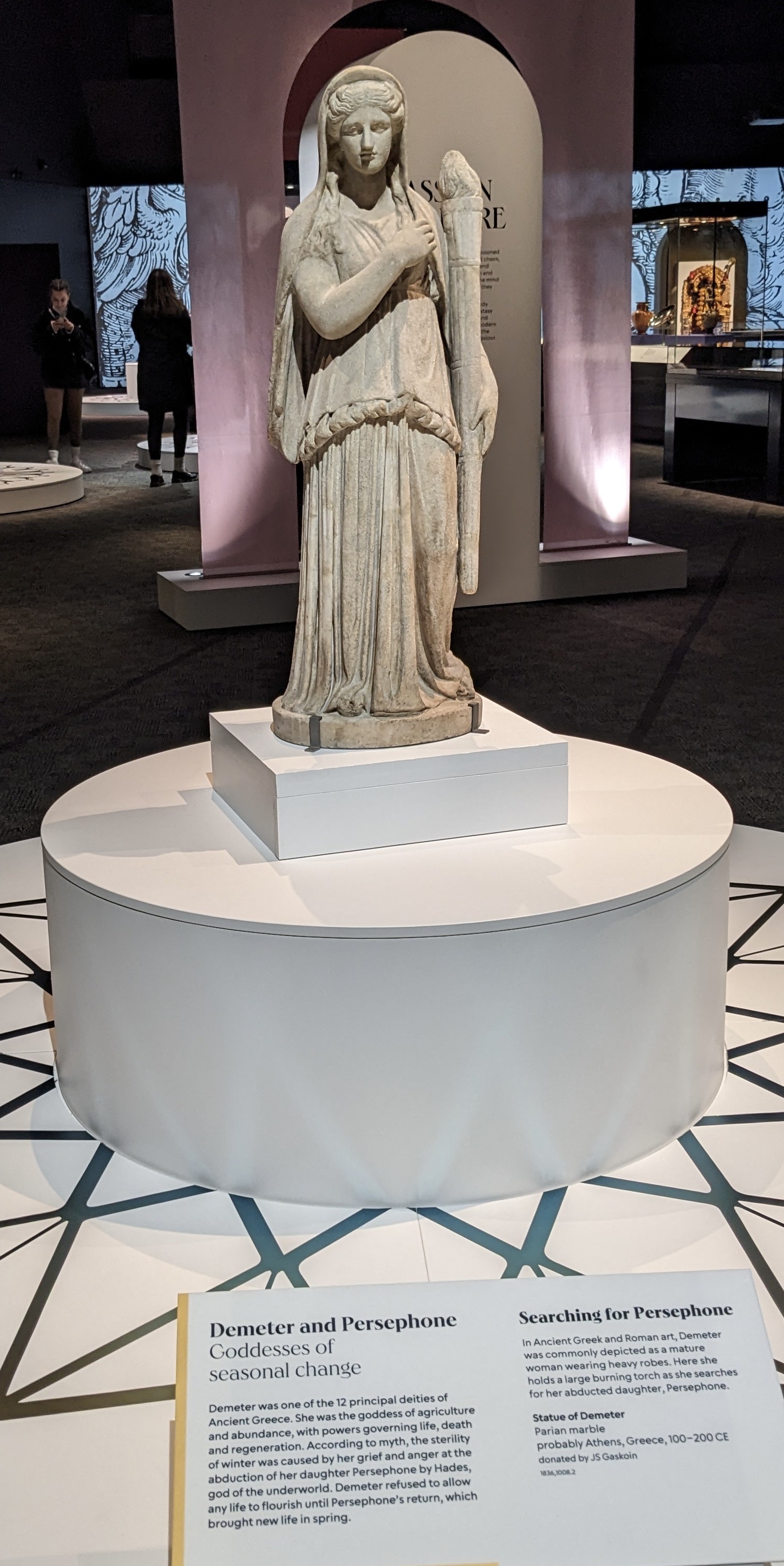
and Demeter – seeking Persephone
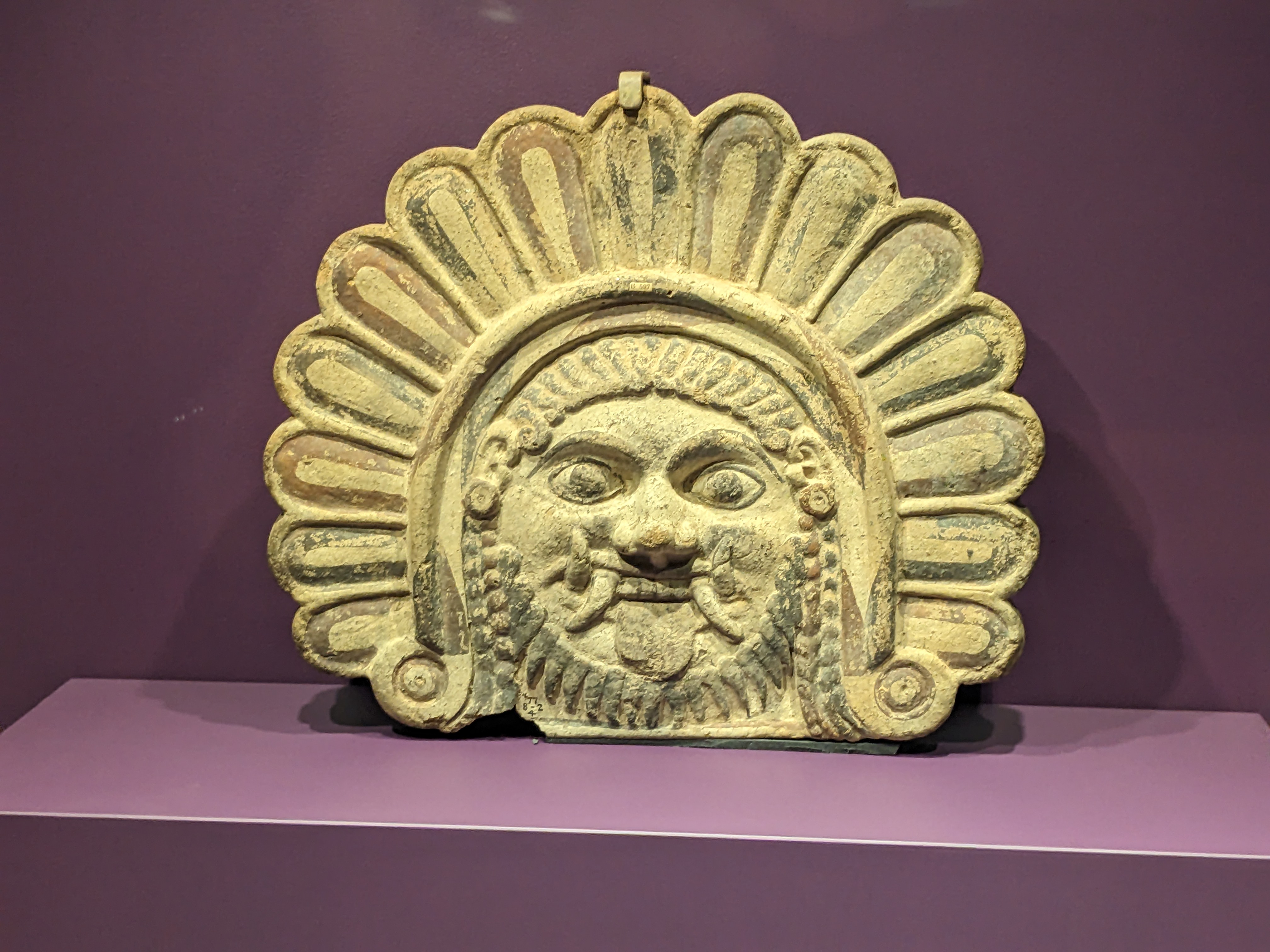
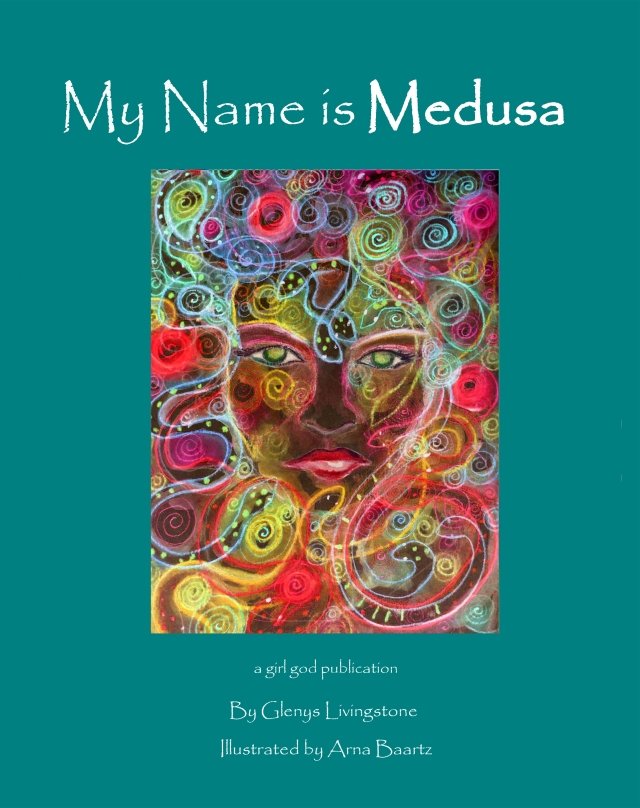
and Medusa was there, with the usual Olympian story of Her as victim or villain: whereas, I understand Her as expressing more ancient power and essentially expressing divine wisdom. See Re-visioning Medusa: from Monster to Divine Wisdom
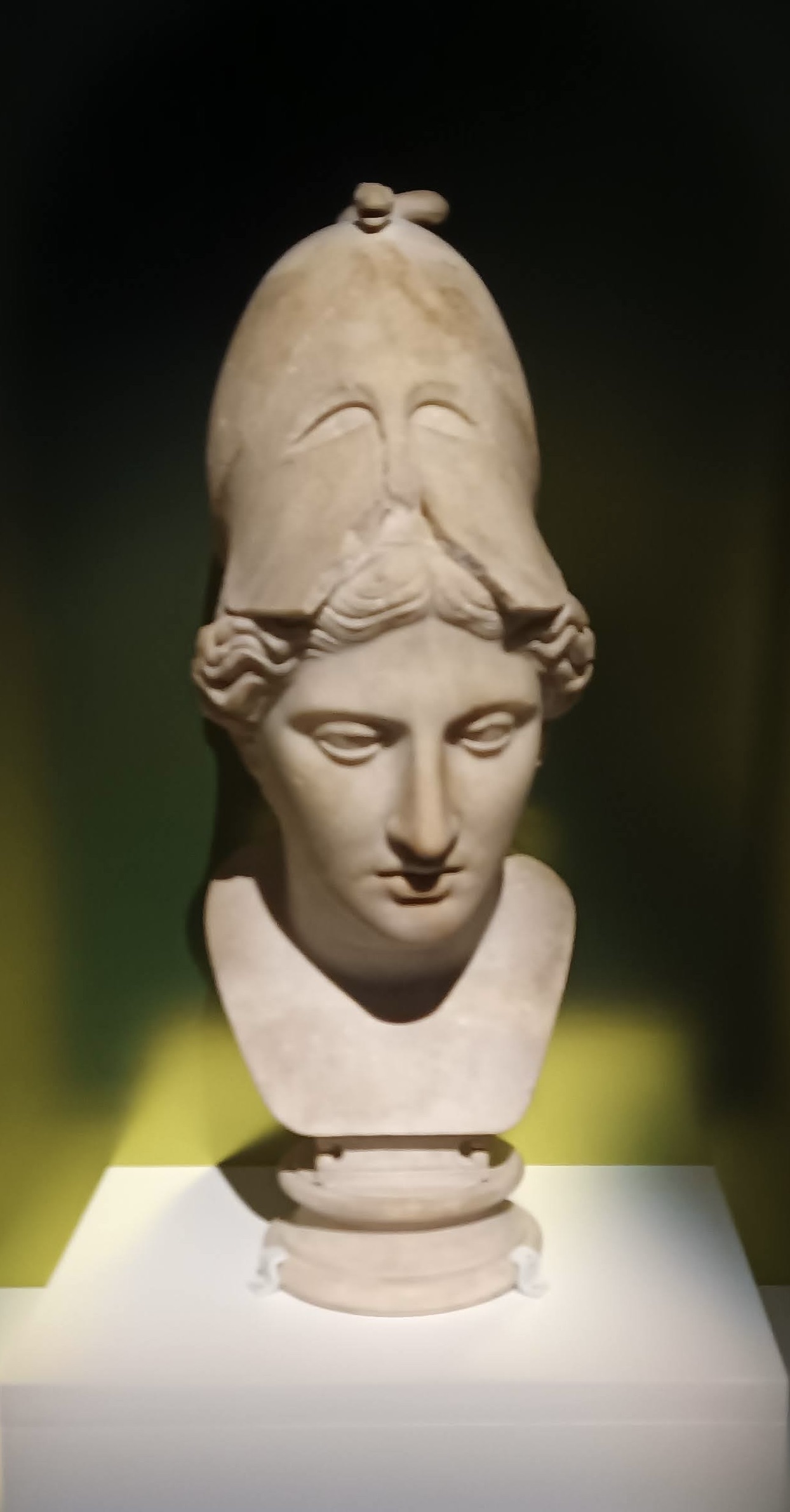
Athena was also there with the usual Olympian story of Her as “goddess of war and wisdom”, and only a headshot wearing a helmet – but in Her earlier stories she was not a warrior. Charlene Spretnak describes in her Lost Goddesses of Early Greece: “Athena was originally a Cretan Goddess who watched over the home and town. Attributes of fertility and renewal are expressed in her association with tree (or pillar) and snake symbolism, respectively. She is patron of wisdom, arts, and skills, an she especially protects architects, sculptors, potters, spinner, and weavers.”
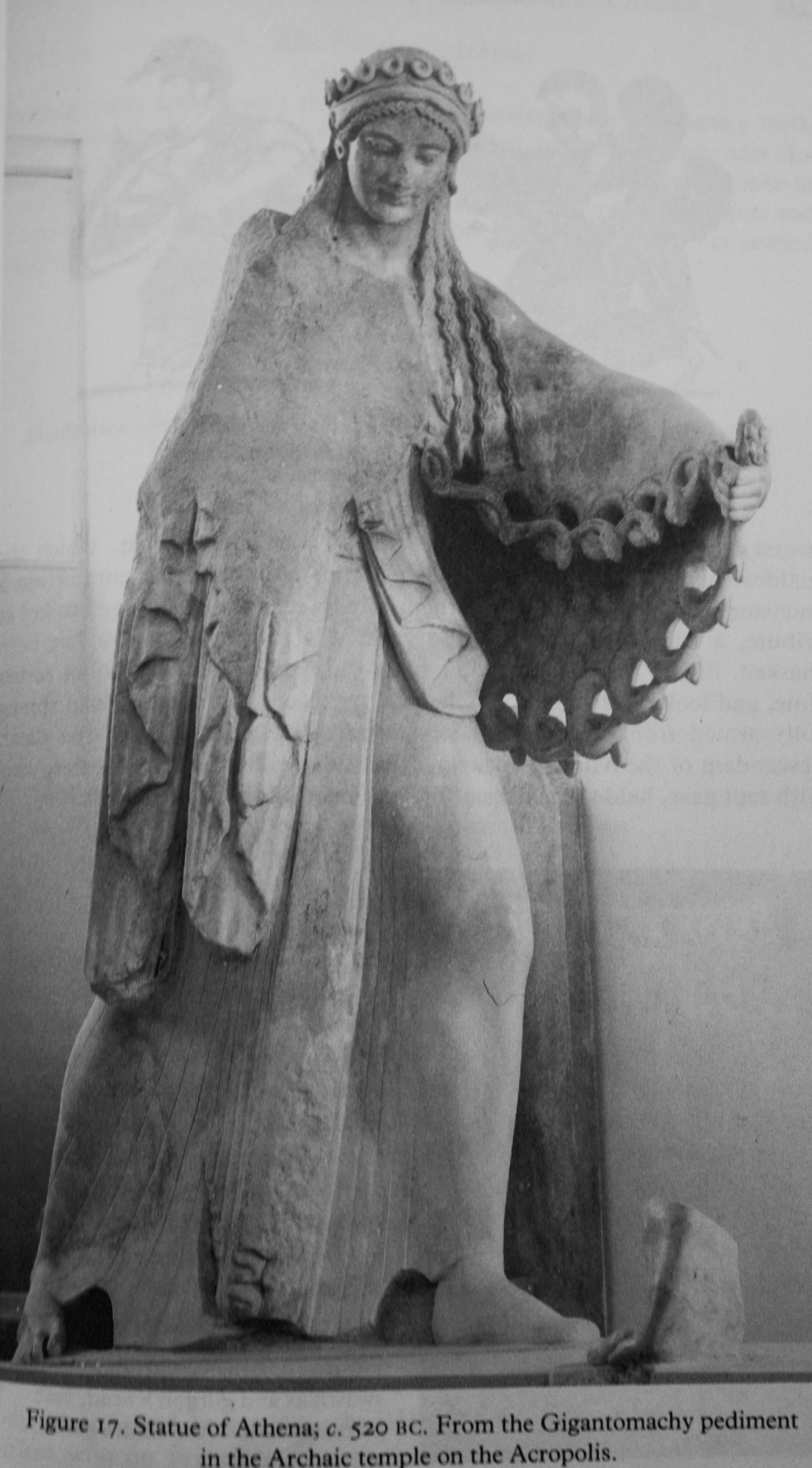
Here is an earlier image of Athena (not at the exhibition) – a bit different:
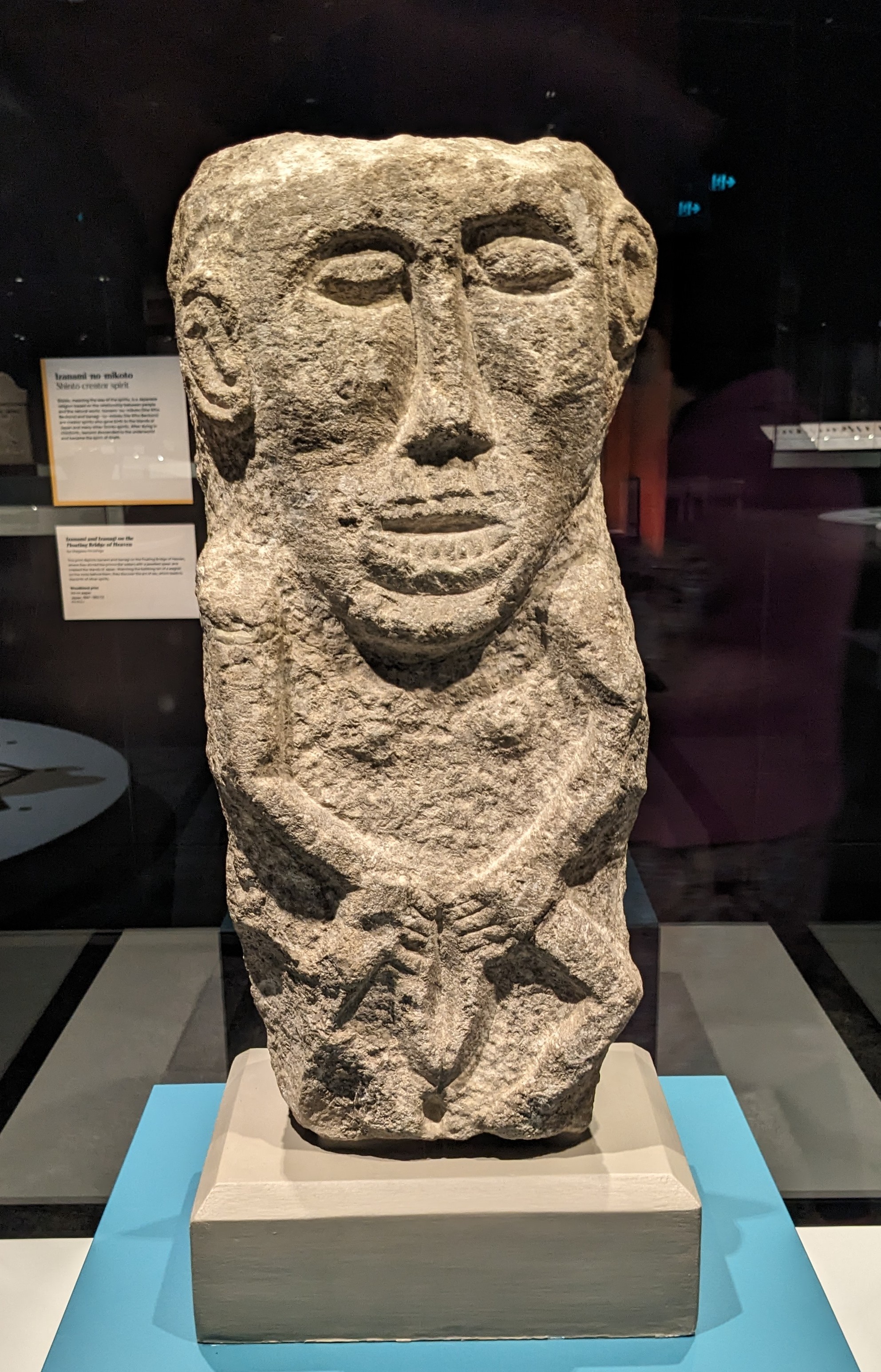
and we had Sheela na Gig
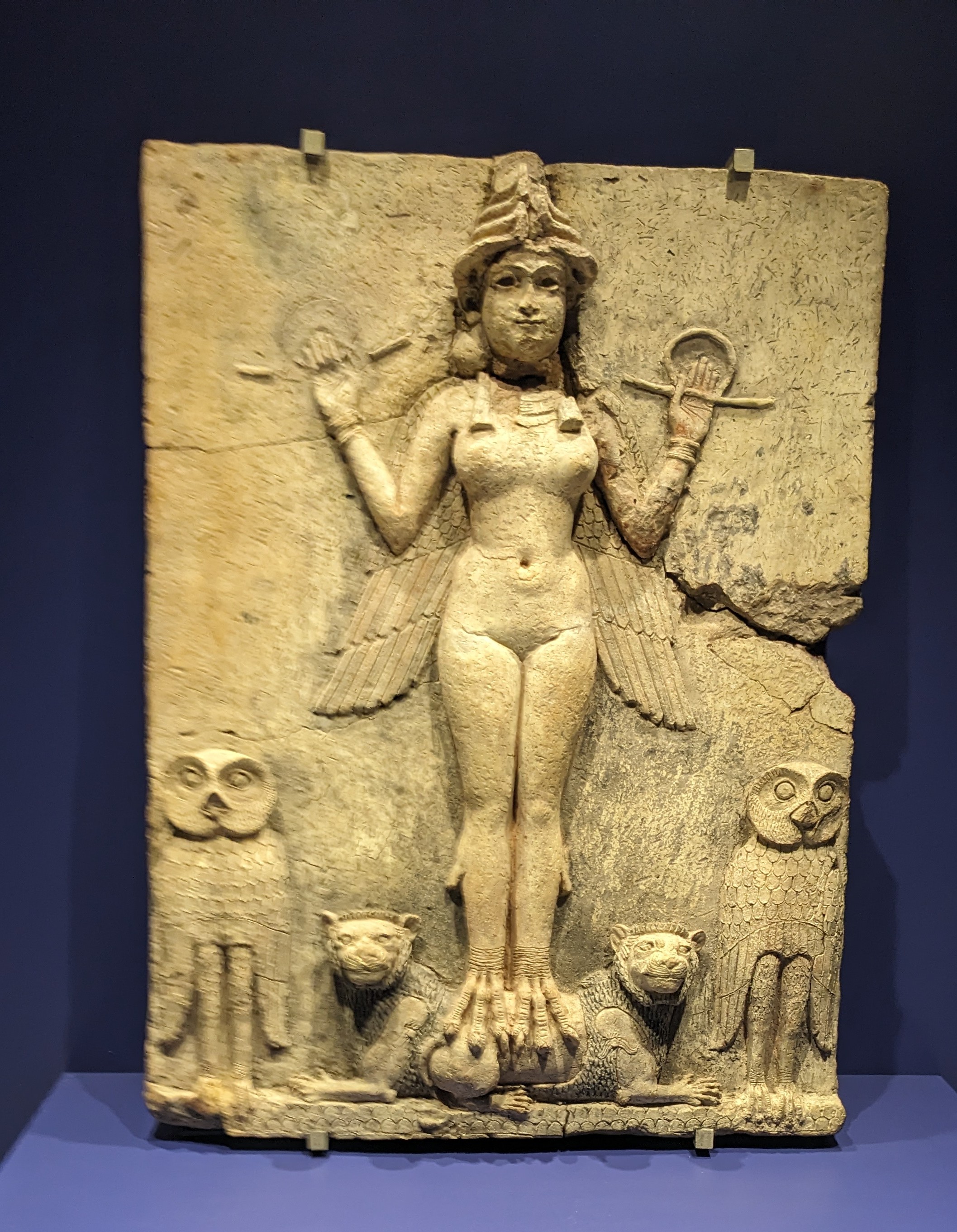
This was a star of the show for many – the ancient Inanna/Ishtar from 2300 B.C.E., whom some of us have known as Lilith often named as “the hand of Innana”. She is named as Lilith in Hallie Iglehart Austen’s The Heart of the Goddess .
This is a taste only: it was a rich exhibition, despite differences I had with the stories. The images speak in their own power. And of course we may wonder about the ethics of their acquisition – yet again, the images do have a life of their own, and may prevail in their presence.



 PaGaian Cosmology
The lovely sculptures from ancient Greece and Rome displayed in the magnificent National Museum exhibition ‘Feared and Revered’ are beautiful and admirable. However, they are described in the language of the patriarchal cultures of those societies. These societies post-date the Mediterranean Dark Age circa 1260-600 BCE which followed the overthrow of the matriarchal societies and these goddesses by the male Warrior Revolution. That is why your interpretation and mine differ from the presented one.
The story of the wooden horse of Troy is a preserved folk memory of the adoption of the Warrior Horseman society that the Trojan princess Cassandra warned against. By admitting the horse-warrior culture, Troy destroyed itself. The enemies of the indigenous culture are described as ‘Achaeans.’
The patriarchal warrior culture spread slowly westward. The name ‘Achai,’ or ‘Eochai,’ pronounced ‘yockee’ in Irish Gaelic, means ‘horse-rider.’ Early Scottish warrior-kings were called ”Eochai’ pronounced ‘Jockee’ and their warlike Scottish followers are still called ‘Jocks.’ So are aggressive males today.
In the opening pages of the Irish Homeric epic the ‘Tain’ (rhymes with ‘lawn’) the two societies, represented by the matriarchal Queen Maeve, and the new incoming patriarchy represented by her husband Alill (pron, ‘Al-ill’) contend verbally for supremacy. Read the opening chapter, ‘The Pillow-talk’ where the two societies argue.
Significantly, Queen Maeve goes to war not to conquer land or to seek gold or slaves, but to possess a prize bull, outstanding genetic material to improve her herd. Maeve’s matriarchal society pursued fertility and family. The Ulster society she invaded to seize the bull was a patriarchy led by King Conchobor and defended by the warrior Cuchullain.
I was born a morning’s walk from Queen Maeve’s stronghold Cruachan Ai, now called ‘Rath Cruachan’ so by birth I am one of Maeve’s people. The tale was written down by Christian scholars in the tenth or eleventh centuries but refers to a culture dated at around six centuries before the Christian era, when Rome was a village.
Aidan, Taffy and I will be staying in Kildare for 3 nights 27-30 October: I think Rath Cruachan is not far? We will say hello to your country – to the NW of Kildare I think?
We will be staying in the Boyne Valley 23-27 October, 500 meters from Bru na Boinne mound – it will be in view from the kitchen window. We leave for Wales on 30th Oct..
Thank you for your story here.
👌👍
Lovely! Rath Cruachan is around 2 and a half hours drive from Bru na Bo’inne I think but I understand it has a very good display of the recent archeology. I would love to hear your opinion of it. I have not been there since childhood.
I’m sure you will write up your experience in Wales and in Ireland.
All the best! Hope the weather keeps up.
Aidan
We will try to get to Rath Cruachan for sure. And I will make notes! Thank you for your good wishes.
There is a danger that sites will close for Samhain and Winter.