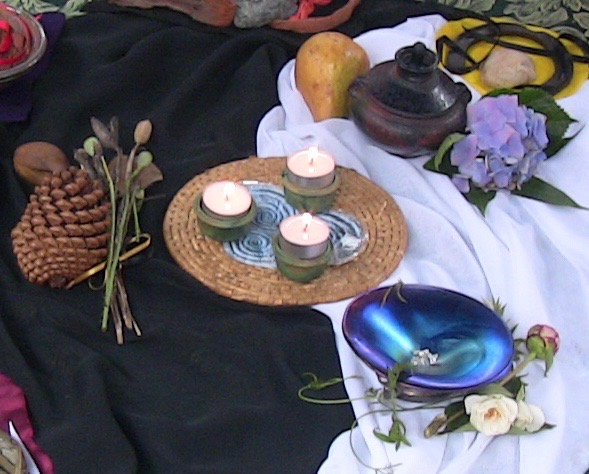
With the passing of the Solstice Season, our Planet enters into the waxing light Seasons in the Southern Hemisphere and the waxing dark Seasons in the Northern Hemisphere. These first transition Seasonal Moments after Solstice are frequently named in Old European tradition as Imbolc and Lammas respectively. We as Earth cross the midpoint (the “cross-quarter”) between Solstice and Equinox on August 7th at 00:14 UTC; that’s 10:14 on August 7th where I am EST Australia. All planetary times for this Moment may be found at archaeoastronomy.com.
Many around the globe will celebrate Imbolc/ Lammas on the traditional date of August 1st/2nd, and some on the actual astronomical Moment, and some at a time when the season feels right, and some when it can be fitted into tick-tock time. And it is good to note that there are other cultural variations of celebrating this transition of our Planet’s orbit around Mother Sun, and the Poetry we humans have created with it, as we align ourselves with Her Creativity.
In the oldest Earth-based traditions of Europe, Imbolc/Early Spring (which may be felt as Late Winter depending on your region), may be a time of dedication to the new life emerging anywhere, including in the self: to watch for it, and attend to it. Sometimes in a culture of self-abnegation or suppression of difference, this can be a challenge; so it is even more significant to step up and celebrate the unique small self, the particular gift that each self is, as well as celebrating new life in flora and fauna. This Season of Imbolc/Early Spring lends itself to ceremonial commitment to nurturing and bringing forth what may be new and tender, or untried: a time for celebrating each being’s uniqueness, for which there are no models.[i] It is a time for invoking courage to be. It is traditionally celebrated as a special feast of Great Goddess Brigid of the Celtic peoples, who tends the flame of being: She has traditionally been recognized as the Flame of Being itself, way beyond anthropomorphic representations of Her.
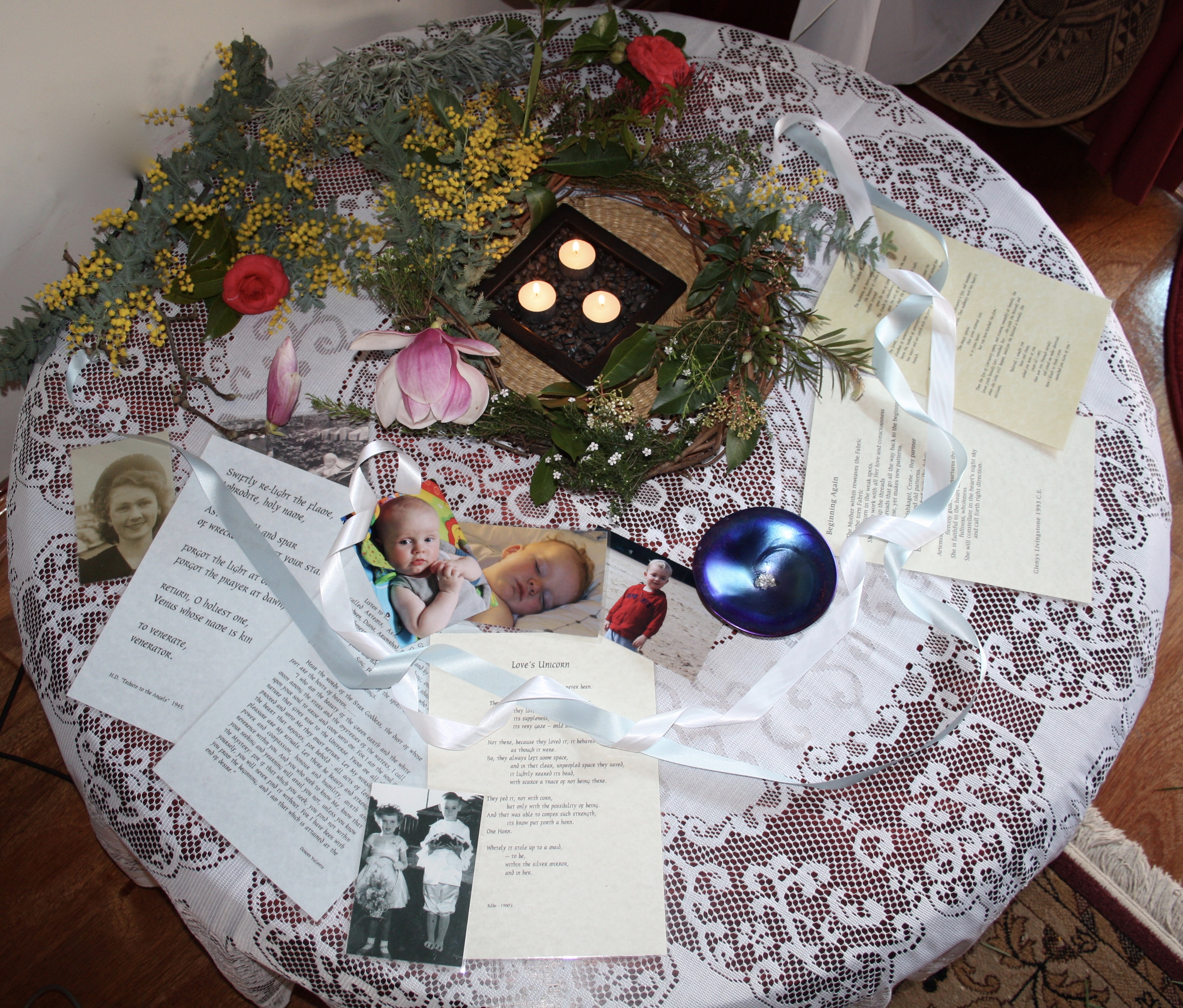
Since Imbolc/Early Spring is a particular time to celebrate the new Young One, the Promise of Life, it is often understood as a very maternal kind of celebration … and indeed that is the nature of re-generative mind, no matter what variety of gender/sex you are or may identify with. To take on Maternal mind, a re-generative/Maternally connected mind is what the Planet seriously needs more of from all beings: that is, a mind that is attentive to the quality and power of care. Any being may learn this, to pay that kind of nurturant attention: and it is useful practice to call upon the deeper ancient powers to guide and strengthen. The nurturance of life and real care is for the brave and courageous.
Whereas, Lammas/Lughnasad (which may be felt as Late Summer depending on your region) has been a time of harvest, of accepting the passing of all, when the Summer party is over: Sun’s light has peaked in this region of our Planet, and it is time for the reaping. One may understand this as metaphor for these times for much of the industrialised world in particular perhaps, but change is afoot on a planetary scale. In the oldest traditions Lammas is the time of transition from attending to the fullness of being, the face of the Mother, to the dismantling and consuming of the Old One as Crone: Her gift of harvest is a return to larger deeper self within all. She becomes the reaper, as all things must pass.
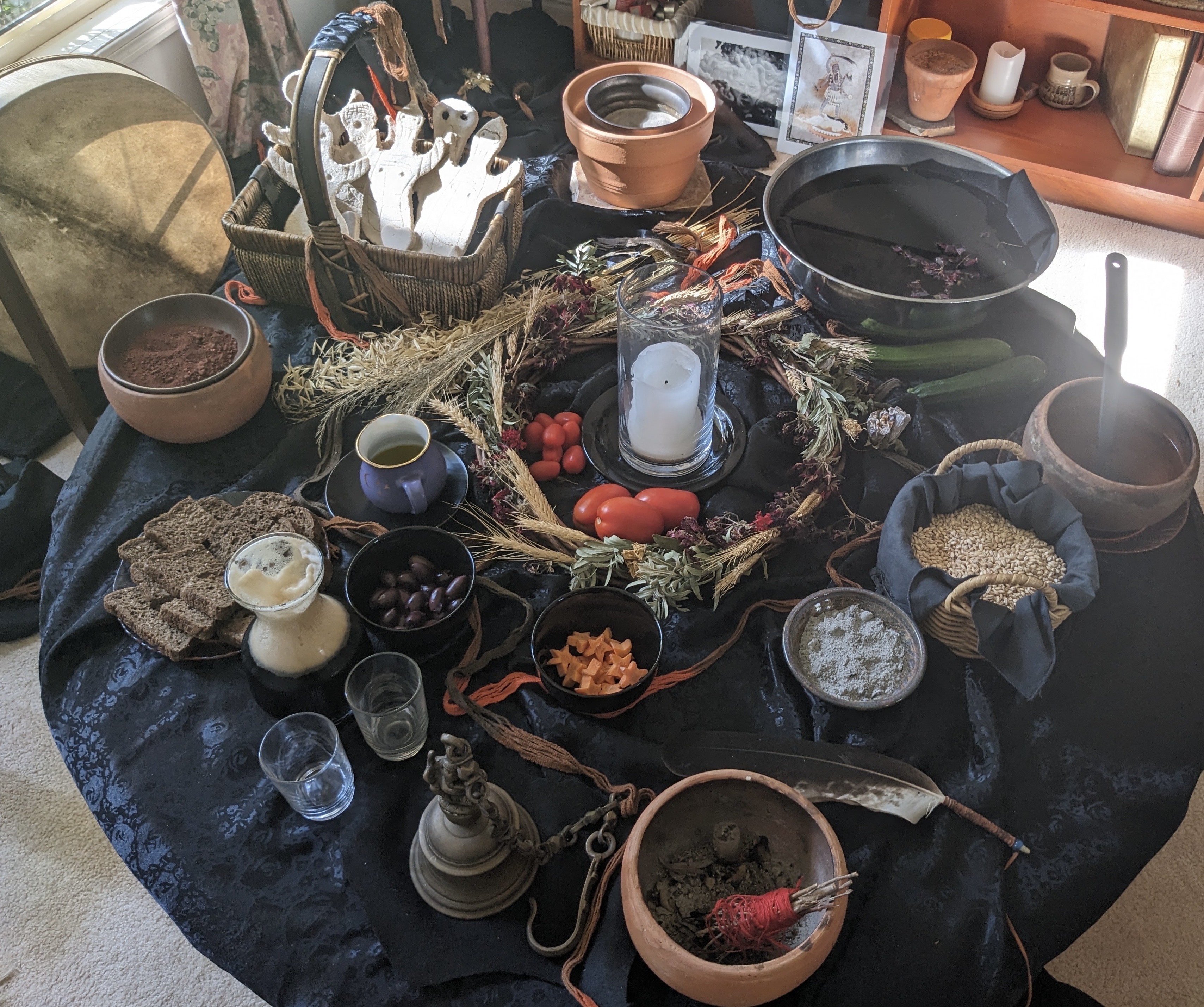
In more recent patriarchal times as Goddess/female Deity became displaced, this Season became known as “Lughnasad”, the “wake”/funeral of the grain God Lugh: and traditionally straw figures of the god are burnt in ceremonies. Lammas (meaning the feast of the bread) may be an earlier name for this Seasonal Moment. Some are of the opinion that it is a Christian name, but I disagree.[ii] Surely such a feast pre-dates Christianity, since the primordial Mother Goddess of many global indigenous cultures IS the grain (corn, wheat, rice); She feeds the world with Her own body. It is She who is the Bread of Life. When Christianity appropriated Old European traditions, it was no doubt preferable to use the name “Lammas” rather than naming a Pagan god as “Lughnasad” does.
At Lammas we may graciously celebrate our actual food harvests, and also with the understanding that we are each and all the grain, the food, harvested and consumed – everything passes, all fades away. The Dark is at the base of all existence and is the matrix and origin of being: it is then is a native place … named and understood perhaps as Larger Self. The seasonal Moment of Lammas lends itself to ceremonial expression of dedication to this larger self, who is always present in the depth of every moment. Lammas may be a Moment for ceremonial expression of love for this deeper self, the organic desire for small self-expansion, for dedication to living a life founded in deeper passions and purpose, and trusting that as the way to true abundance and joy. This may be understood as an expansion, a re-joining with the Cauldron of Creativity in which we are immersed.[iii]
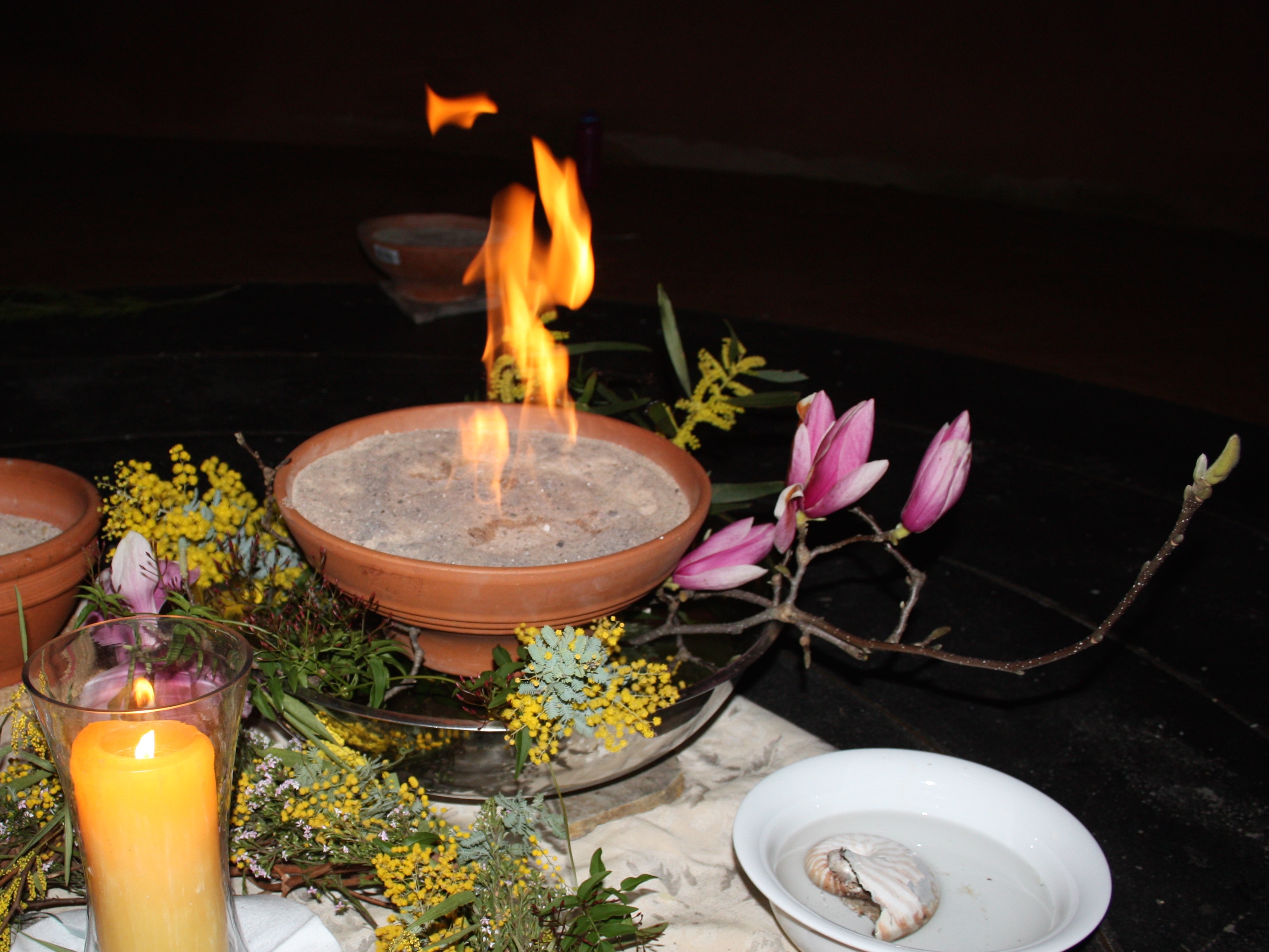
For some Imbolc Ceremonial Poetry: PaGaian Imbolc and PaGaian Imbolc 2008 on YouTube
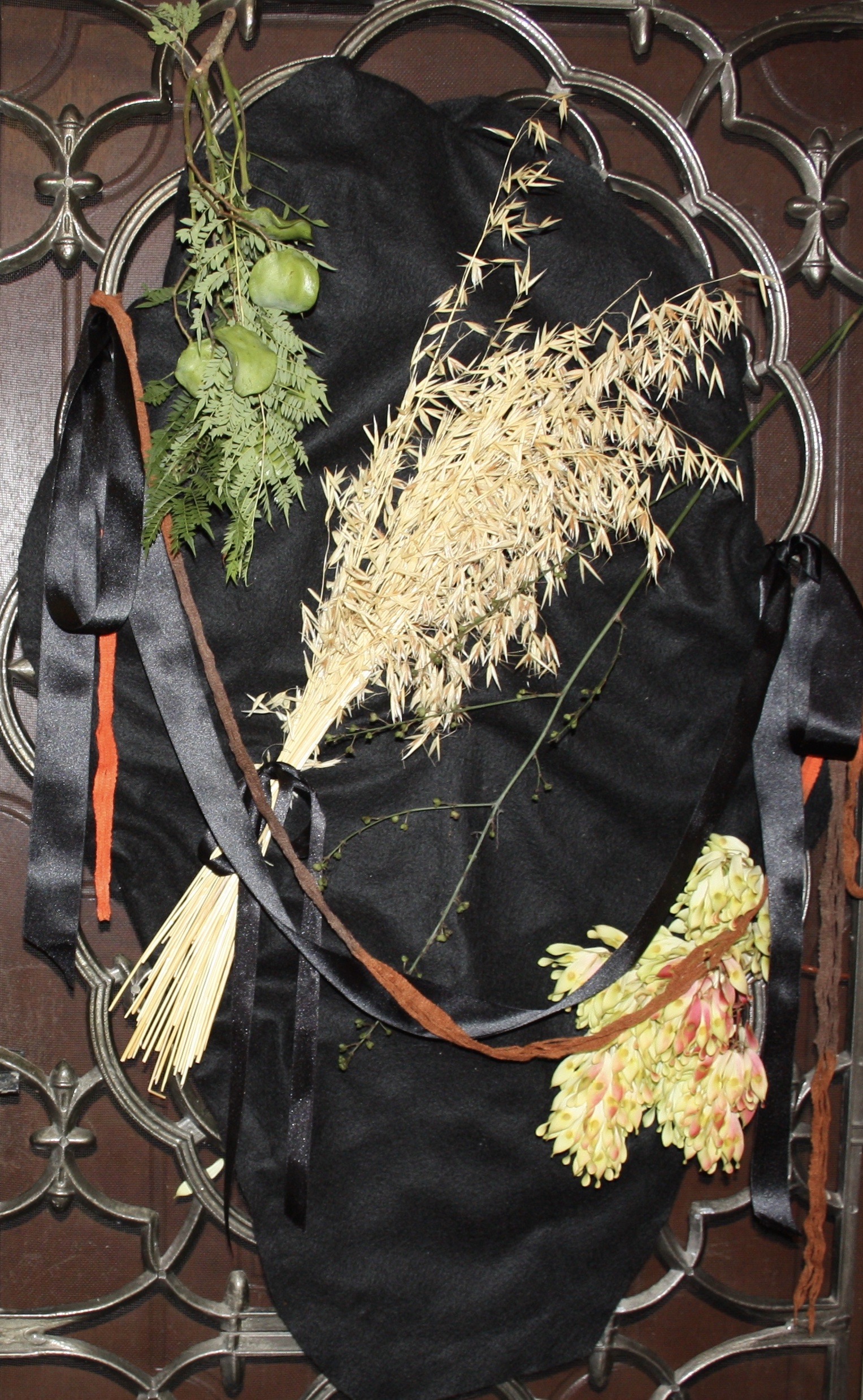
For some Lammas Ceremonial Poetry: PaGaian Lammas 2010 on YouTube
At my place in country Australia, we will gather for Imbolc ceremony, very close to the Moment, and I invite others in this way:
This is the Season of the waxing Light …
You are invited to celebrate
IMBOLC/Early Spring
the feast of the Young One
– who is the Urge To Be within All.
The New One born at the Winter Solstice
now grows.
This is the time of celebrating the small self –
each one’s Gaian uniqueness and beauty.
We meet to share the light of inspiration,
to be midwifed,
by She who tends the Flame of Being,
deeply committed to Self, and Who is True.
…oOo…
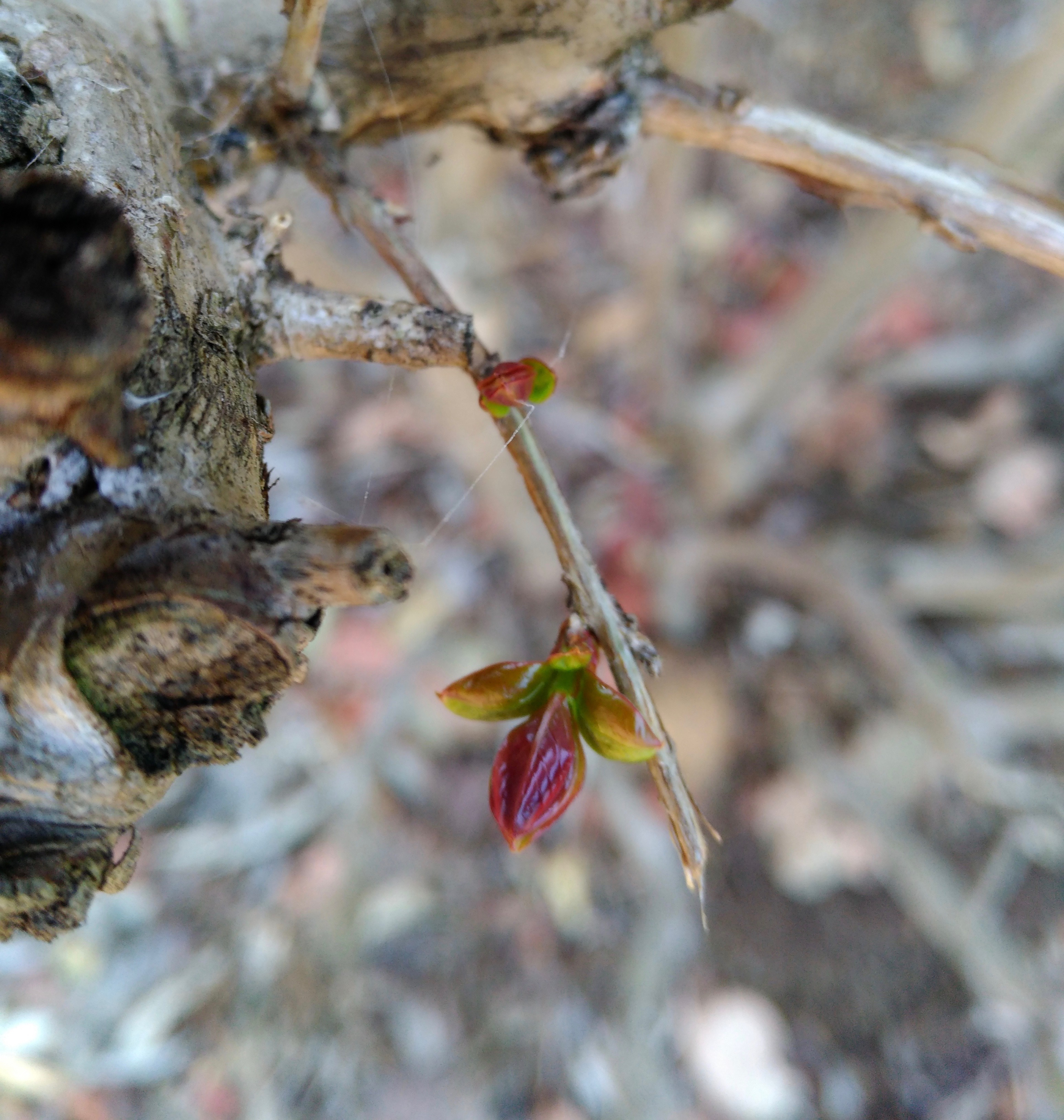
PaGaian Cosmology blogs for Imbolc.
And an essay Winter-Spring EarthGaian Wisdom: Invoking the Power of Brigid, the Mother Creator
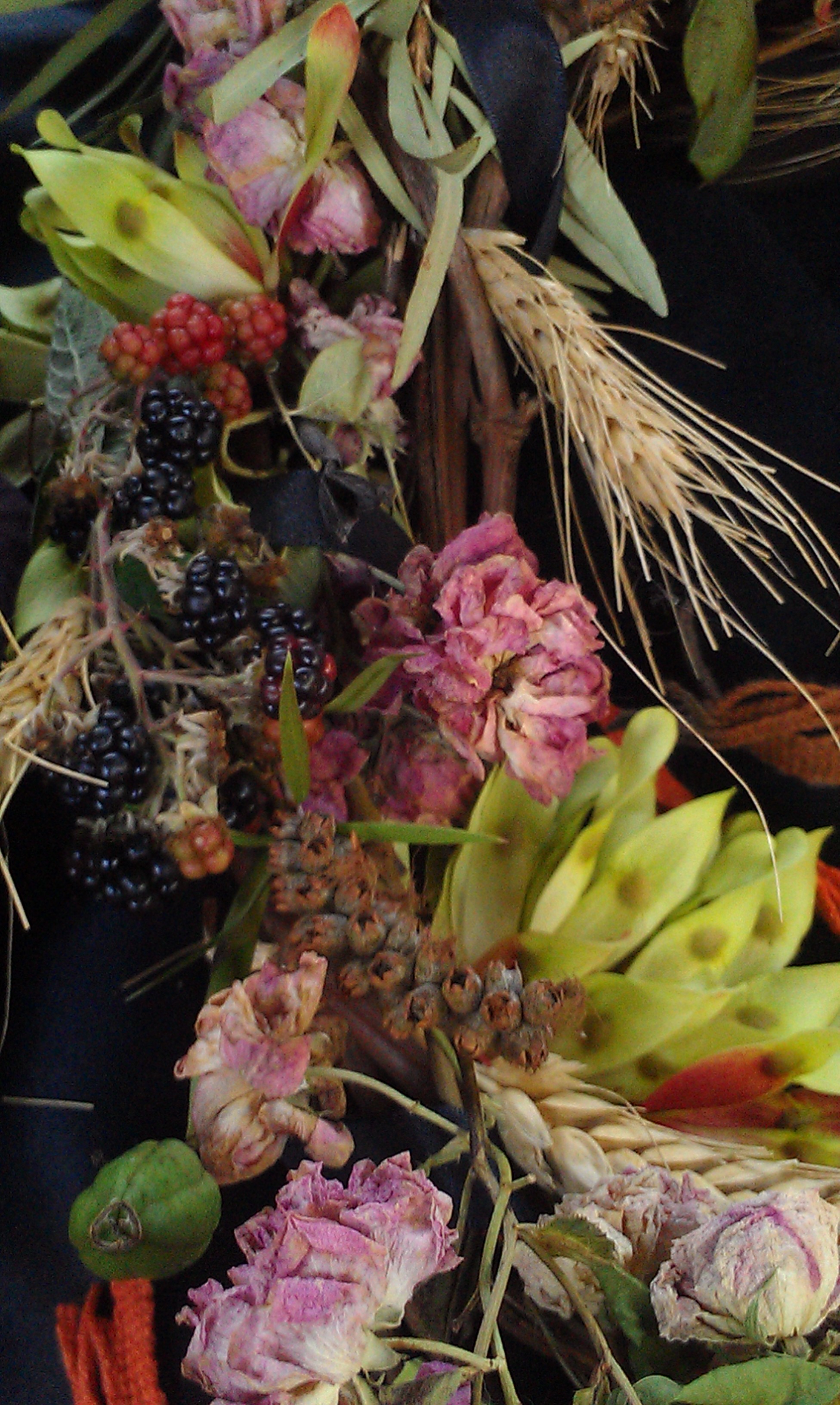
PaGaian Cosmology blogs for Lammas.
And from Brian Swimme: The Sacred Cosmological Dynamic of Loss – I have learnt much about this Seasonal Moment by understanding more of the Universe story, which is the story of Who we are, and embraces transformation.
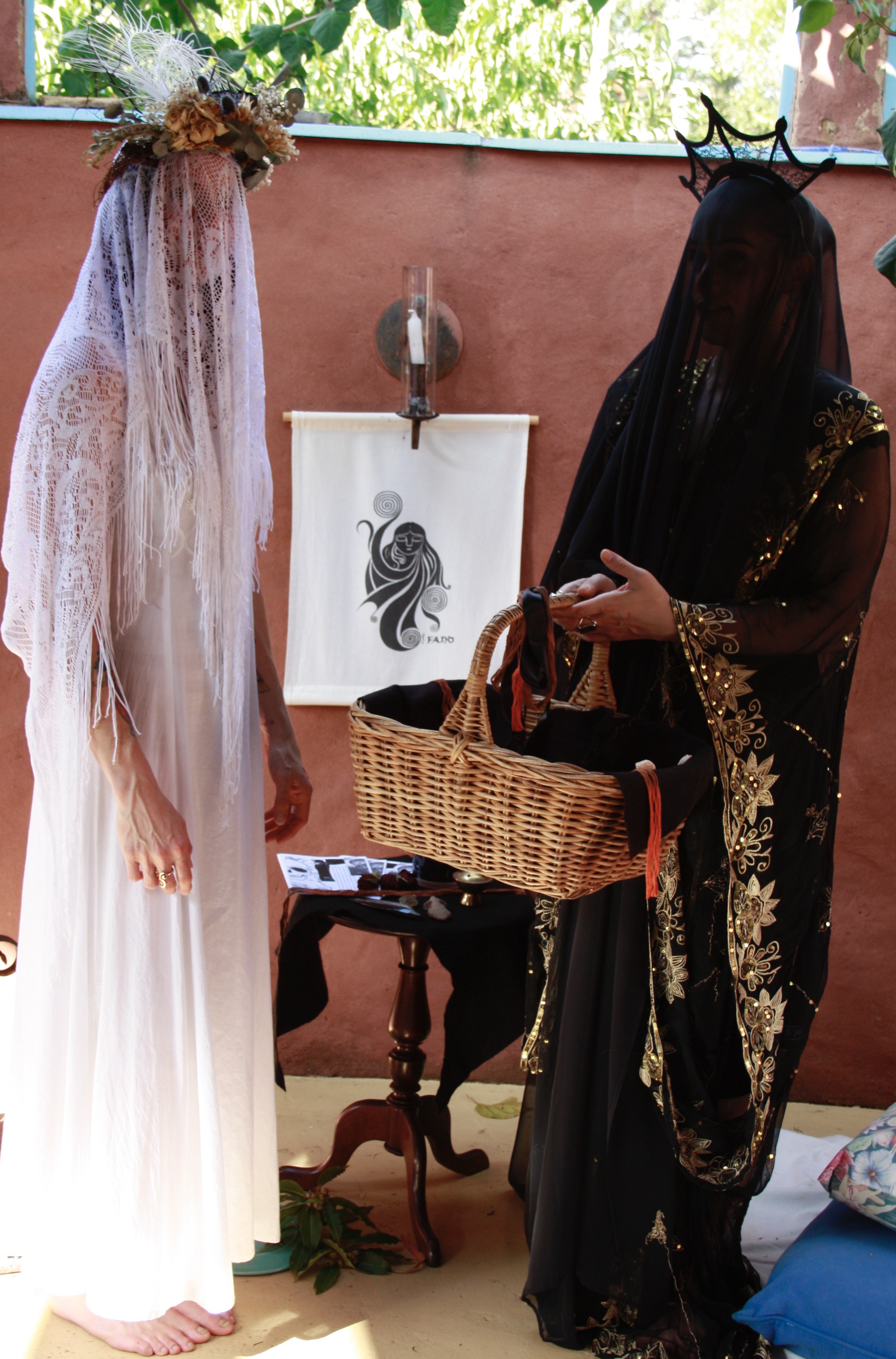
An article that speaks to the mirror reflection of Imbolc and Lammas: Making Sacred: Space for the Not-Yet. There is a Lammas Ceremony video I have created this year when it was Lammas in the Southern Hemisphere (February).
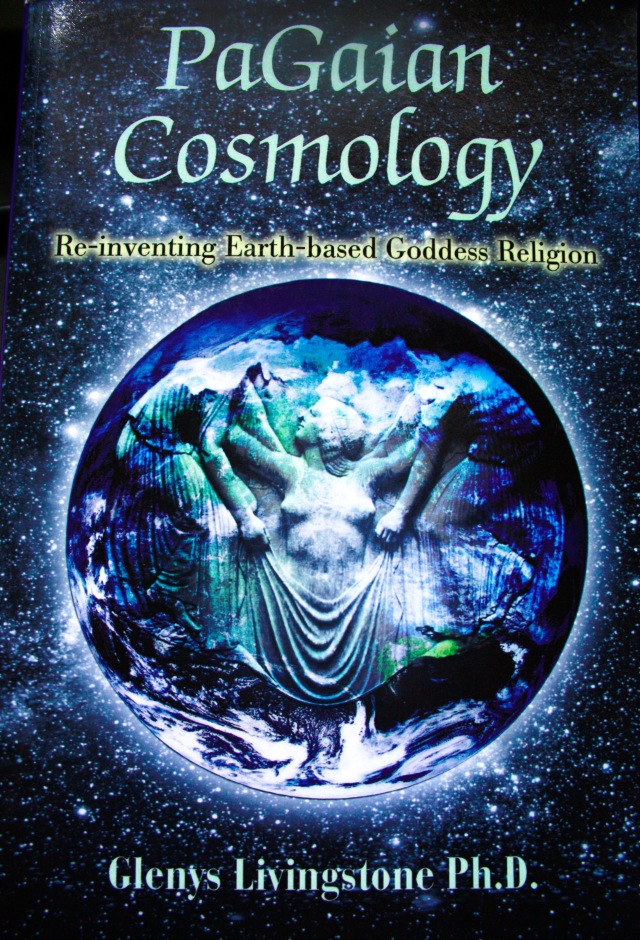
Some Imbolc story and Lammas story, and offered ceremonial scripts may be found in my new book A Poiesis of the Creative Cosmos, Chapters 6 and 10 respectively, and also in Appendix F and Chapter 7 of PaGaian Cosmology These Seasonal Moments in relationship to the whole Wheel of the Year may be found in Chapter 2 of A Poiesis of the Creative Cosmos, and also Chapter 5 of PaGaian Cosmology.
Blissed Imbolc/Lammas transition to you.
NOTES:
[i] Brian Swimme has said: “There are no models for who you are to become”, Canticle to the Cosmos video series.
[ii] As Lawrence Durdin-Robertson suggests in his book The Year of the Goddess p.143 quoting Adam McLean The Four Fire Festivals p. 21), that originally the Deity of the harvest was the Goddess named Tailtu (reportedly Lugh’s “foster-mother”) so the name Tailtunasad has been suggested by Cheryl Straffon editor of Goddess Alive!
[iii] For more on this understanding of Lammas see A Poiesis of the Creative Cosmos: Celebrating Her within PaGaian Sacred Ceremony, Ch 10.
References:
Durdin-Robertson, Lawrence. The Year of the Goddess. Wellingborough: Aquarian Press, 1990.
McLean, Adam. The Four Fire Festivals. Edinburgh: Megalithic Research Publications, 1979.
Livingstone, Glenys. A Poiesis of the Creative Cosmos: Celebrating Her within PaGaian Sacred Ceremony. Bergen: Girl God Books, 2023.
Livingstone, Glenys. PaGaian Cosmology: Re-inventing Earth-based Goddess Religion. Nebraska: iUniverse, 2005.
Swimme, Brian. Canticle to the Cosmos. DVD series. CA: Tides Foundation, 1990.



 PaGaian Cosmology